Advanced Puzzles for Creative Design Projects
The modern design landscape demands resources that not only challenge the mind but also enhance the visual toolkit of creative professionals, making a curated collection like 60 Puzzles with Solutions for Adults a surprisingly potent asset for any design workflow.
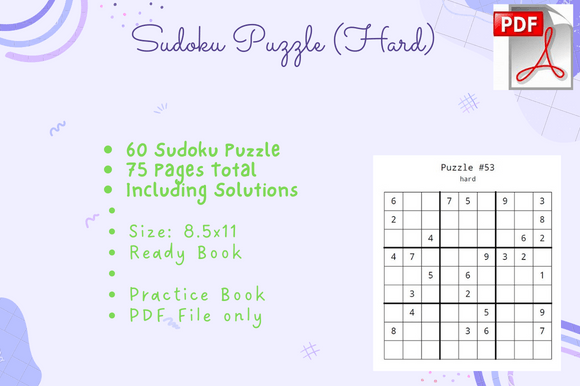
From a professional graphic design perspective, this isn't just about solving puzzles; it's about leveraging structured visual complexity as a tool for inspiration and execution. The clean, hard-level sudoku grids present a study in minimalism, balance, and logical visual hierarchy, principles that are foundational to effective UI design, editorial layouts, and branding systems.
A Design Study in Structure and Clarity
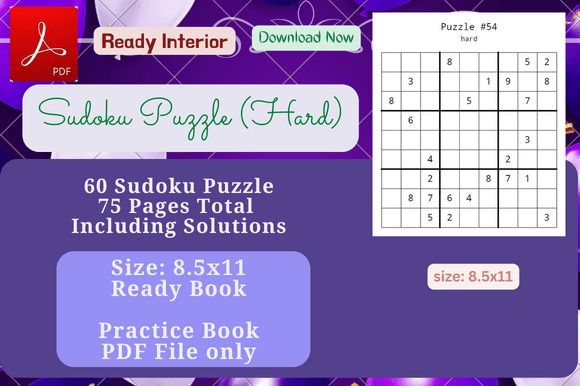
Each puzzle within the collection serves as a microcosm of editorial design. The 8.5 x 11-inch format provides a standard canvas akin to a magazine spread or report layout, where the placement of numbers and empty cells teaches lessons in spatial distribution and focus. The single puzzle per page with a unique design emphasizes the importance of giving a primary visual element its own space—a principle crucial for packaging design, advertising campaigns, and keynote presentations where a single message must command attention.
The inherent structure of a sudoku grid is a masterclass in creating a consistent, repeatable visual framework. This consistency is the bedrock of strong brand identity. Whether you're developing a logo design system, a series of social media graphics, or a cohesive web design theme, the discipline of a rigid yet flexible grid informs how you place elements for maximum clarity and impact.
Practical Applications in Visual Communication
How can such a focused resource translate into real-world creative projects? The applications are broad and deeply integrated into core design disciplines.
- Branding & Identity: The puzzles’ format encourages thinking about pattern, repetition, and unique identifiers within a set system, directly analogous to creating a color palette or typography suite that must remain distinct yet unified across all touchpoints.
- Digital & Print Marketing: The challenge level mirrors the need to engage an audience thoughtfully. Designing a brochure, email campaign, or merchandise line requires balancing complexity with accessibility, just as a hard puzzle balances difficulty with a solvable path.
- UX/UI Design: The user’s journey to a solution is a perfect metaphor for user experience. The clear goal, the progressive deduction, and the final satisfaction mirror the needs of intuitive interface design, where visual hierarchy leads the user seamlessly to their objective.
- Creative Assets & Inspiration: For designers facing a blank canvas, the organized chaos of a puzzle grid can spark ideas for composition in digital marketing assets, the layout of a presentation, or the visual rhythm of an annual report.
Evaluating Design Elements for Professional Results
Integrating such structured inspiration into your work requires a mindful approach. When selecting and applying core design elements inspired by systematic models, consider these factors to ensure a polished outcome:
Visual Hierarchy & Readability: Just as numbers in a puzzle grid gain meaning from their position, typography and imagery in your projects must guide the viewer's eye with deliberate emphasis. The bold lines of a sudoku grid reinforce the importance of defining boundaries and focal points.
Scalability & Consistency: A good design system, like a good puzzle set, works at multiple scales. Whether your logo is on a business card or a billboard, or your design assets are used in web design and print design, the underlying principles must hold. The unique but cohesive designs across the 60 puzzles exemplify this.
Audience Expectations & Goals: The "hard" designation sets a clear expectation. In your creative projects, your modern aesthetics and professional presentation must align with your audience's expectations and your communication goals, whether for sophisticated branding or approachable social media graphics.
Ultimately, the value of any design resource lies in its ability to improve both form and function. A collection like this goes beyond entertainment; it offers a repetitive exercise in clean layout, problem-solving within constraints, and the achievement of a complete, satisfying solution—the very essence of successful graphic design. By studying and applying the underlying principles of structure, balance, and clear visual communication found in such systematic work, designers can enhance the quality, effectiveness, and aesthetic impact of all their creative projects, from the simplest digital product to the most complex brand identity system.