12 Mixed Topic Word Search Game Puzzles: A Creator's Toolkit
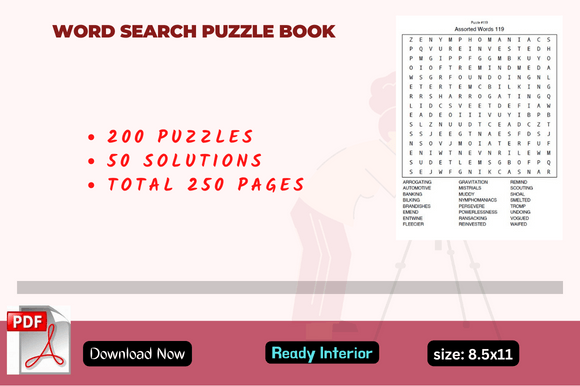
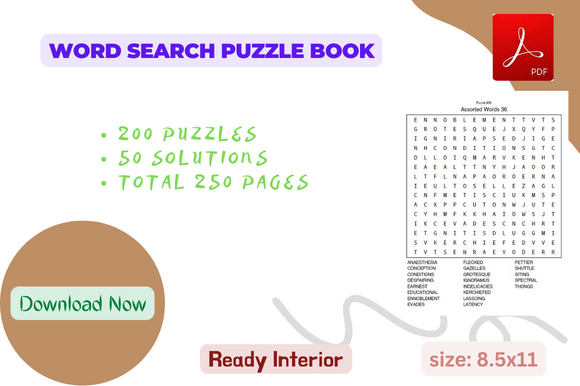
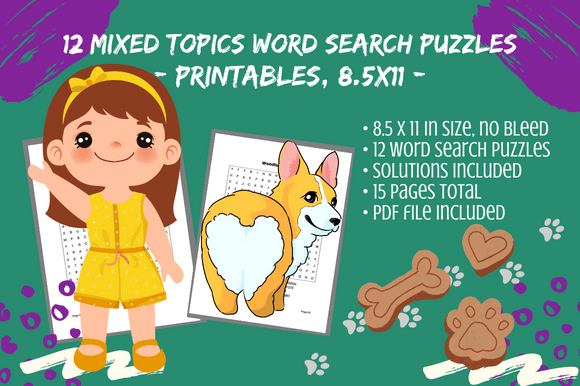
In the bustling world of digital content creation, especially for platforms like Amazon KDP (Kindle Direct Publishing), finding a reliable, versatile starting point is a major advantage. A product like 12 Mixed Topic Word Search Game Puzzles represents exactly that: a foundational interior file designed to be transformed into a unique activity book. It’s a digital download containing twelve distinct puzzles with solutions, formatted for the standard 8.5 x 11 inch size without bleed. The immediate appeal is clear—it saves hours of initial layout and puzzle creation work, allowing creators to focus on customization and branding. However, the journey from downloading this PDF to publishing a successful product is where many stumble on subtle, yet critical, details.
Overlooking the “Make It Your Own” Imperative
The most common and potentially costly mistake is treating the provided PDF as a finished product ready for immediate upload. The instructions explicitly encourage you to make a duplicate and edit it, but this is often skimmed over. Amazon’s algorithms are sophisticated in detecting duplicate content. If hundreds of sellers upload the exact same interior file, even with different covers, the platform may flag your book, limiting its visibility or even restricting your account. This isn’t a scare tactic; it’s a standard policy for maintaining marketplace quality.
The better approach: View the file not as a book, but as a raw template. Before you even begin editing, make that duplicate copy as suggested. Your next step should be a strategic plan for customization. This could involve adding introductory pages, rearranging puzzle order, inserting themed clip art between puzzles, or including a few coloring pages or motivational quotes relevant to your target audience. Changing the page titles from generic “Word Search Puzzle 1” to something thematic like “Ocean Adventure Word Hunt” or “Historical Figures Puzzle” already adds significant unique value. This transforms a generic template into a cohesive, branded activity book.
Misjudging the Target Audience and Market Fit
Another frequent misunderstanding revolves around the audience note “for all age groups except the very young.” This is wonderfully broad, but broadness without direction is a liability. A creator might simply upload the puzzles as-is, thinking “activity books for everyone” is a viable niche. In reality, a book without a defined audience struggles to find readers. Is your book for busy professionals looking for a mental break? Is it for puzzle-loving seniors? Is it for educators seeking classroom resources? The mixed topics are a strength, but they need framing.
How to avoid this: Before you edit a single page, decide on your primary audience. Let that decision guide your customization. For example, if targeting adults, you might add more complex vocabulary or themes related to travel, literature, or science. For a family-oriented book, you could mix easier and harder puzzles and include fun facts related to the puzzle topics. This focus not only makes your book more appealing to a specific buyer but also informs your keywords, description, and cover design, making your entire product page more effective.
The Hidden Detail: File Format and Editability
The product is a single PDF file. Many beginners, especially those new to digital publishing, assume a PDF is easily editable like a Word document. They download the file, try to change text in a basic PDF reader, and hit a wall. This leads to frustration or, worse, a published book with unintended errors from a clumsy editing attempt.
Practical advice: Understand that professional editing requires the right tools. You’ll need software like Adobe Acrobat Pro, or alternatively, you can use a design program like Canva (by importing the PDF) or even convert elements into an editable format using a word processor. The key is to assess your own technical comfort and resources before purchase. Investing a little time in learning basic PDF editing or having a plan to hire a freelancer for minor customizations can safeguard the quality of your final product.
Underestimating the Importance of Complementary Assets
The listing clearly states “Cover is not included.” This seems obvious, yet it’s a detail often overlooked in the rush to publish. A creator might spend all their effort perfecting the interior and then hastily create a substandard cover or use a generic template. In the crowded KDP marketplace, the cover is your primary sales tool. An activity book with a poorly designed cover, regardless of how great the interior puzzles are, will likely languish unseen.
What to check and do: Factor cover design into your project plan and budget from the start. Ensure your cover design thematically matches your customized interior. If you changed puzzles to have a “Nature Theme,” your cover should reflect that with appropriate imagery and fonts. This creates a harmonious product that communicates quality and attention to detail to potential buyers, directly impacting satisfaction and perceived value.
Failing to Leverage the Full Scope for Series Potential
Many see the 12 Mixed Topic Word Search Game Puzzles as a one-off product. This is a limiting view. The mixed-topic nature and the editable format make it an excellent springboard for a series. A common mistake is publishing one book and moving on, missing the opportunity to build a recognizable brand.
A more strategic approach: Use your first customized version as a template for subsequent volumes. You might create a “Volume 1: Travel & Geography,” “Volume 2: Science & Technology,” and so on. By maintaining a consistent interior structure and design style (like your unique page titles and added clip art style), you build a series that encourages repeat purchases. This turns a single digital download into a long-term, efficient content creation pipeline.
Ensuring a Quality Final Output for Downloaders
From the buyer’s perspective—perhaps an educator, event planner, or parent—evaluating such a digital product involves a few key checks. The foremost is understanding the license and terms of use. Can you print these for a classroom? Usually, yes, but it’s always prudent to verify. Secondly, check the puzzle difficulty and topic mix against your needs. While topics are varied, previewing the word lists (from the solutions page) ensures they align with your intended use, avoiding a mismatch like overly complex words for a children’s party.
Final constructive guidance: Whether you are a creator using this for KDP or a consumer downloading it for personal use, success hinges on proactive adaptation. Don’t let the convenience of a ready-made file lull you into passive use. Engage with it. Edit it. Tailor it. By doing so, you elevate a simple puzzle collection into a purposeful, professional, and uniquely satisfying product that stands out for its utility and quality, fulfilling its potential as a great addition to any activity book collection.